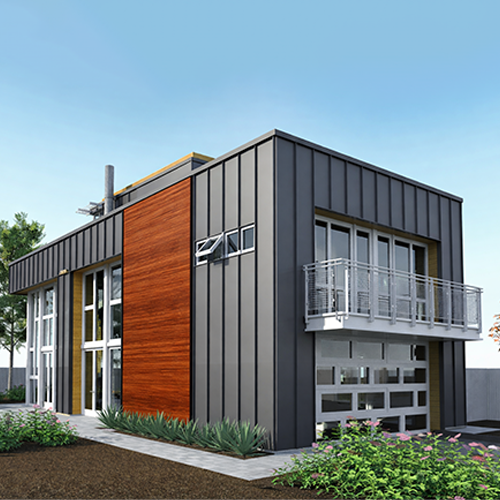
How to Choose the Right ACP Sheet for Exterior Building Cladding
5 October 2026Choosing the right ACP sheet for exterior building cladding is an important decision for architects, builders, contractors, and project owners. The right aluminium composite panel should offer a balance of durability, appearance, weather resistance, safety, and long-term performance.
With different ACP sheet types, thicknesses, finishes, and core options available in the market, selecting the right panel depends on the building type, application, environmental conditions, and specific project requirements.
In this guide, we explain the key factors you should consider when choosing an ACP sheet for exterior building cladding.
Why Are ACP Sheets Used for Exterior Cladding?
Exterior building surfaces are continuously exposed to sunlight, rain, dust, humidity, temperature variations, and other environmental conditions. This makes the selection of the right cladding material especially important.
High-quality ACP sheets provide a combination of lightweight construction, design flexibility, easy fabrication, and reliable surface performance, making them suitable for a wide range of exterior architectural applications.
- Lightweight and easy to handle
- Modern and uniform appearance
- Wide range of colours and finishes
- Easy cutting, bending, and fabrication
- Suitable for a wide range of architectural designs
- Low-maintenance surface
- Suitable options for different performance requirements
7 Factors to Consider When Choosing ACP Sheets for Exterior Cladding
1. Choose the Right ACP Core
The core is one of the most important factors to consider when selecting an ACP sheet. Different projects may require different core compositions depending on the application and fire-safety requirements.
For buildings where fire performance is an important consideration, architects and project consultants should evaluate appropriate fire-rated or fire-retardant ACP options along with their relevant technical specifications and certifications.
Always select the core according to the requirements of the project rather than choosing a panel based only on appearance or price.
2. Consider the ACP Sheet Thickness
ACP sheets are available in different thicknesses and configurations. The appropriate panel thickness depends on factors such as the building height, installation system, panel size, wind exposure, and intended application.
For exterior façades, the panel should be selected according to the project's technical and installation requirements. Simply choosing the thickest or cheapest option does not necessarily mean choosing the right solution.
3. Check the Aluminium Skin Thickness
Total panel thickness is not the only specification that matters. The thickness of the aluminium skins can also influence the panel's rigidity, fabrication characteristics, durability, and installation performance.
When comparing ACP sheets, always review the complete technical specifications instead of comparing products only on the basis of price or overall panel thickness.
4. Select the Right Surface Finish
ACP sheets play an important role in defining the visual identity of a building. Modern ACP panels are available in a wide variety of colours, textures, and finishes, allowing architects to create different architectural styles.
Depending on the project, finishes can include:
- Solid colours
- Metallic finishes
- Wood finishes
- Marble and stone-inspired finishes
- Gloss and matte finishes
- Decorative and textured finishes
The selected finish should complement the building design while also being appropriate for the intended exterior application and environmental conditions.
5. Consider Weather and Environmental Exposure
Exterior ACP panels are continuously exposed to environmental conditions such as sunlight, rain, humidity, dust, and temperature changes. Therefore, the panel and its surface coating should be selected according to the project's location and exposure conditions.
Important factors to evaluate include:
- Weather resistance
- UV exposure
- Surface coating performance
- Colour and finish retention
- Resistance to moisture and environmental conditions
Selecting an ACP sheet designed for the intended exterior application can help maintain the appearance and performance of the building façade over time.
6. Check Fire Performance
Fire safety is an important consideration when selecting materials for building exteriors. Depending on the building type, project specifications, applicable regulations, and location, fire-rated or fire-retardant ACP solutions may be required.
Before selecting an ACP sheet, project teams should review:
- Fire classification
- Core composition
- Applicable test standards
- Available certifications
- Project-specific fire-safety requirements
For projects where fire performance is a priority, choosing an appropriately specified and certified panel is essential.
7. Consider the Manufacturer and Product Quality
Not all ACP sheets are manufactured to the same specifications. Product quality, manufacturing consistency, surface finish, technical support, and documentation can make a significant difference when selecting a panel for an exterior project.
Before purchasing ACP sheets, consider:
- Manufacturing quality
- Product specifications
- Testing and certifications
- Available finishes
- Warranty
- Technical support
- Installation guidance
- After-sales support
Which ACP Sheet Is Best for Exterior Cladding?
There is no single ACP sheet that is best for every building. The right choice depends on the project's application, design requirements, environmental conditions, safety requirements, and installation system.
Residential projects may prioritise aesthetics, durability, and easy maintenance, while commercial and institutional buildings may require a combination of appearance, long-term performance, and specific safety requirements.
High-rise buildings require additional consideration of factors such as wind exposure, installation systems, panel specifications, and fire performance.
Therefore, the best ACP sheet is the one that is appropriately specified for the particular project rather than simply the one with the lowest price or the most attractive finish.
Common Applications of ACP Sheets in Exterior Cladding
ACP sheets offer architects flexibility in creating modern and visually consistent building exteriors. Common exterior applications include:
- Building façades
- Exterior wall cladding
- Column cladding
- Balcony cladding
- Canopies
- Beam wrapping
- Commercial buildings
- Corporate offices
- Retail spaces
- Institutional buildings
How to Compare ACP Sheets Before Buying
Before finalising an ACP product, architects, builders, and contractors should compare the technical specifications rather than focusing only on the initial purchase price.
| Factor | What to Check |
|---|---|
| Core | Type and suitability for the intended application |
| Panel Thickness | Total panel thickness and project requirements |
| Aluminium Skin | Aluminium thickness and panel rigidity |
| Coating | Suitability for exterior exposure |
| Finish | Colour, texture, pattern, and design requirements |
| Fire Performance | Applicable classification and certifications |
| Weather Resistance | Suitability for the project's environmental conditions |
| Warranty | Manufacturer warranty and applicable conditions |
| Manufacturer | Quality, technical support, and product reliability |
Why Choose Alutuff ACP Panels?
Alutuff offers ACP solutions designed to meet the requirements of modern architectural and construction applications. With a focus on manufacturing quality, surface finishes, and application-oriented solutions, Alutuff ACP panels can be considered for a wide range of exterior and interior projects.
Alutuff's ACP range combines design flexibility with performance-focused specifications, allowing architects, builders, and project professionals to select panels according to their specific project requirements.
- Wide range of contemporary finishes
- ACP solutions for architectural applications
- Options for different project requirements
- Focus on consistent manufacturing quality
- Solutions designed for both aesthetics and performance
Final Thoughts
Choosing the right ACP sheet for exterior building cladding requires more than comparing prices or selecting a particular colour. The right decision should consider the core, aluminium skin thickness, total panel thickness, surface finish, weather exposure, fire performance, installation requirements, and manufacturer quality.
By evaluating these factors before purchasing, architects, builders, contractors, and property owners can select an ACP solution that is better suited to the project's long-term design and performance requirements.
If you are planning an exterior cladding project, explore Alutuff's ACP solutions and select a panel based on your project's specific design, technical, and performance needs.
Frequently Asked Questions
Is ACP suitable for exterior wall cladding?
Yes. ACP sheets are widely used for exterior façades and wall-cladding applications. However, the appropriate panel should be selected according to the building's environmental, technical, installation, and fire-safety requirements.
What thickness of ACP sheet is best for exterior use?
The appropriate thickness depends on factors such as the building, installation system, panel size, wind exposure, and project requirements. The selection should be based on the project's technical specifications rather than price alone.
Is fire-rated ACP necessary for every building?
Requirements depend on the building type, applicable regulations, project specifications, and fire-safety requirements. Where fire performance is important, an appropriately specified and certified fire-rated ACP should be considered.
What should I check before buying an ACP sheet?
Important factors include the core, panel thickness, aluminium skin thickness, coating, finish, weather performance, fire classification, certifications, warranty, and manufacturer's technical support.
Can ACP sheets be used for modern building façades?
Yes. ACP sheets are widely used for modern façades because they offer a clean appearance, multiple finish options, and fabrication flexibility for different architectural designs.

Building Trust with Innovation, Quality Panels, and Global Manufacturing Excellence
Alutuff delivers world-class aluminium panel solutions with trusted quality, modern design, and sustainable innovation. Backed by global presence and decades of expertise, we serve architects, developers, and industries with durable, fire-rated, and aesthetic cladding solutions across India and beyond.